Notes on Instagram’s API, the replies a tool should refuse to send, and the parts of automation that are easy to get wrong. Written by the people who ship it.
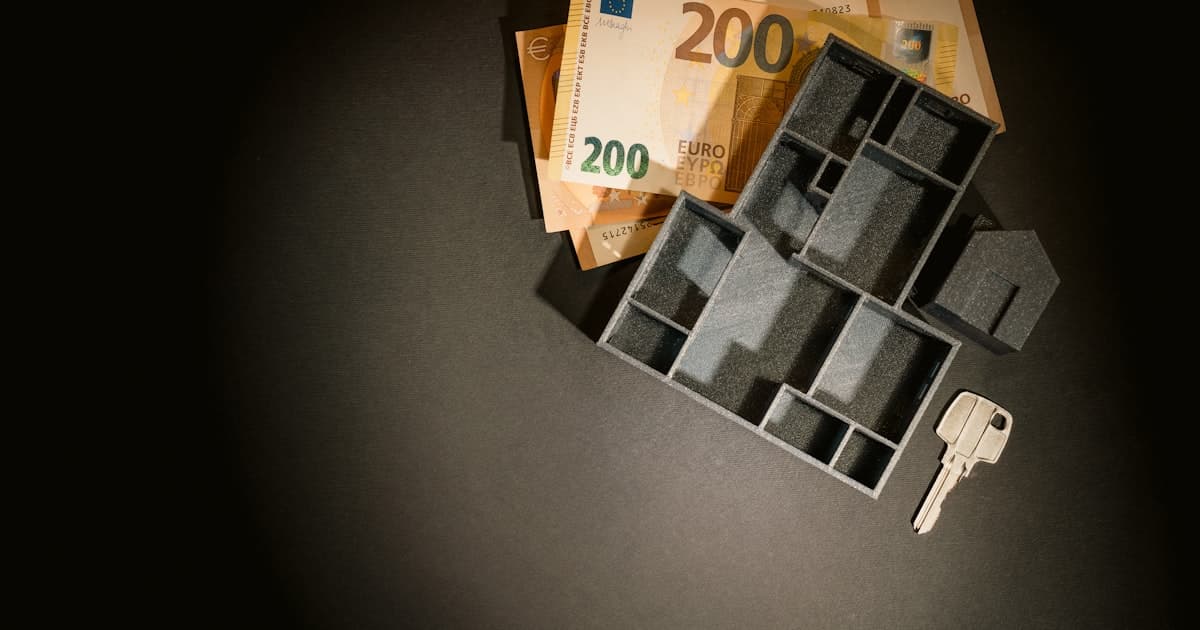
Half the messages under a listing reel come from people who want to know what their own flat is worth. That is the best lead an agent gets and the worst one to automate.
The register argument is made elsewhere. This is the sequence: what to collect first, the five replies worth writing, and the settings a one-person account should change.
A Reel that travels is a load event. What actually happens to your automation during a spike, and the preparation that has to be done before it starts.
The gap between an Instagram audience and a podcast audience is one tap, and the reply that has to carry them across it only gets sent once. What goes in it.
Go through the standard KPI list one at a time and most of it turns out to be unmeasurable here. Three that are countable by hand are worth more than the rest.
A voice profile is a record assembled from replies you actually sent, not a personality setting. What gets captured, what is invisible to it, and where it stops.
Threads shares a login with Instagram and almost nothing else that matters. What carries over from an Instagram automation practice, and what plainly does not.
Four consultants, one Instagram account, and every enquiry landing in a thread nobody is responsible for. Routing is the real automation problem in a travel agency.
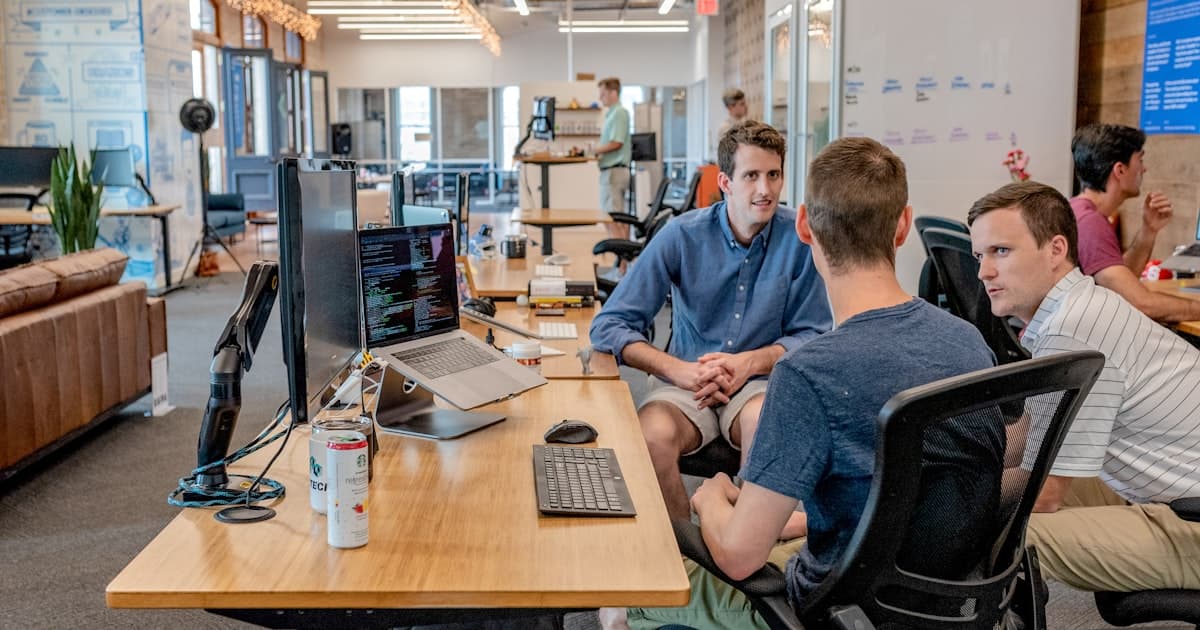
B2B software teams build Instagram for demand generation and get a helpdesk instead. What that inbox actually contains, and the four answers a bot must not give.
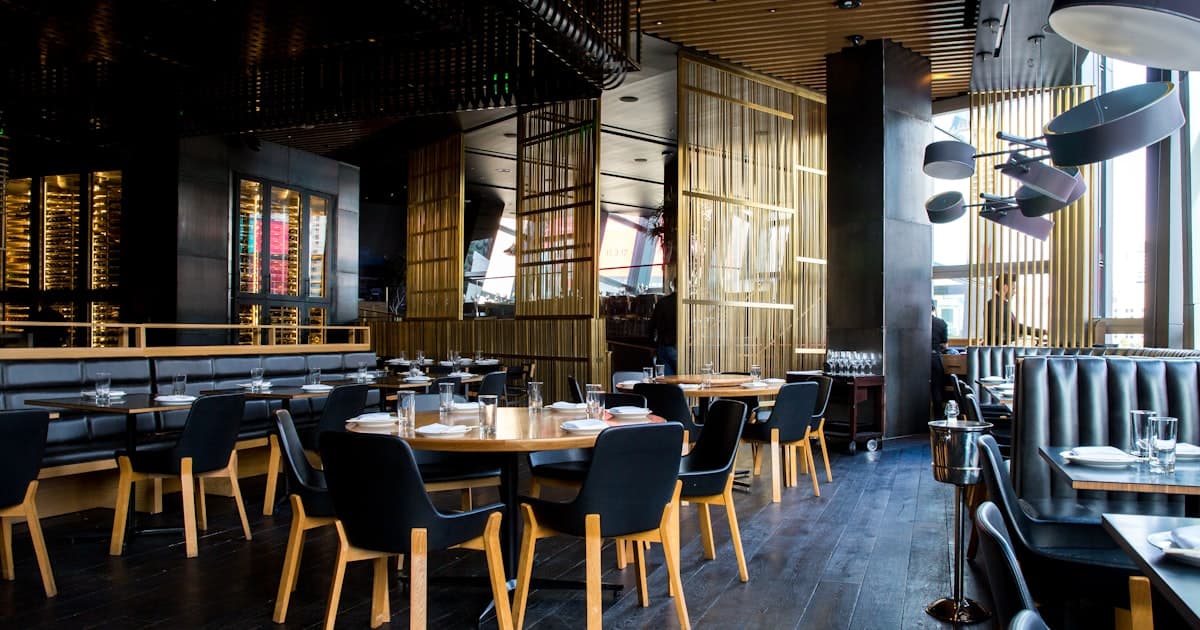
A restaurant posts more content with an expiry date than almost any other business, and its inbox asks for the one thing automation must never hand out: a table.
No catalogue, no stock, no orders, no checkout. What a DM automation can honestly do for a brand that sells on Instagram is narrower and still worth building.
A membership account answers two populations at once with no way to tell them apart automatically. The three signals you actually have, and what to do with each.
Selling pet food, treats or supplements on Instagram means half your inbox is a health question dressed as a product question. That half cannot be automated.
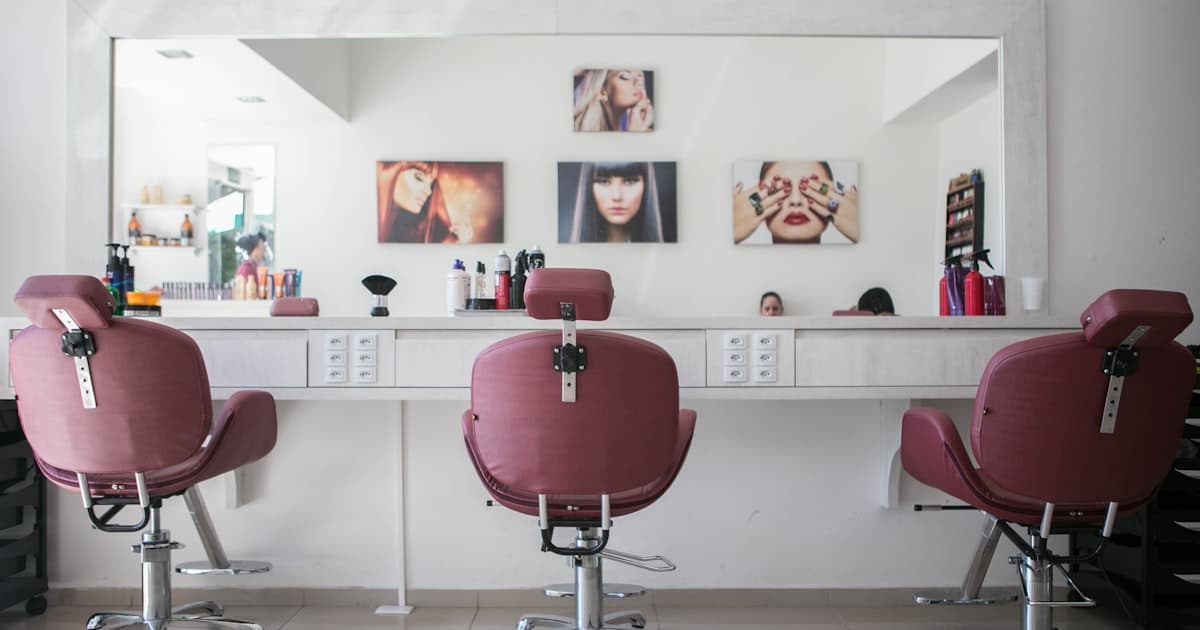
Almost every salon DM is someone asking whether a slot is free. Automation cannot answer that. What it can do is answer everything around it, instantly, for free.
Somebody tagging you has not given you a licence. What consent actually has to look like, and why the ask belongs in a template rather than a generated reply.
In a studio the automation question is never response speed. It is which of eleven people is responsible for a message, and what your practice sounds like when nobody is.
We have no growth features and no view of ranking. What an honest algorithm guide can contain, and the one part of growth that happens after somebody engages.