Playbooks · 5 min read
Gyms on WhatsApp: Attendance Data Is Not a Marketing List
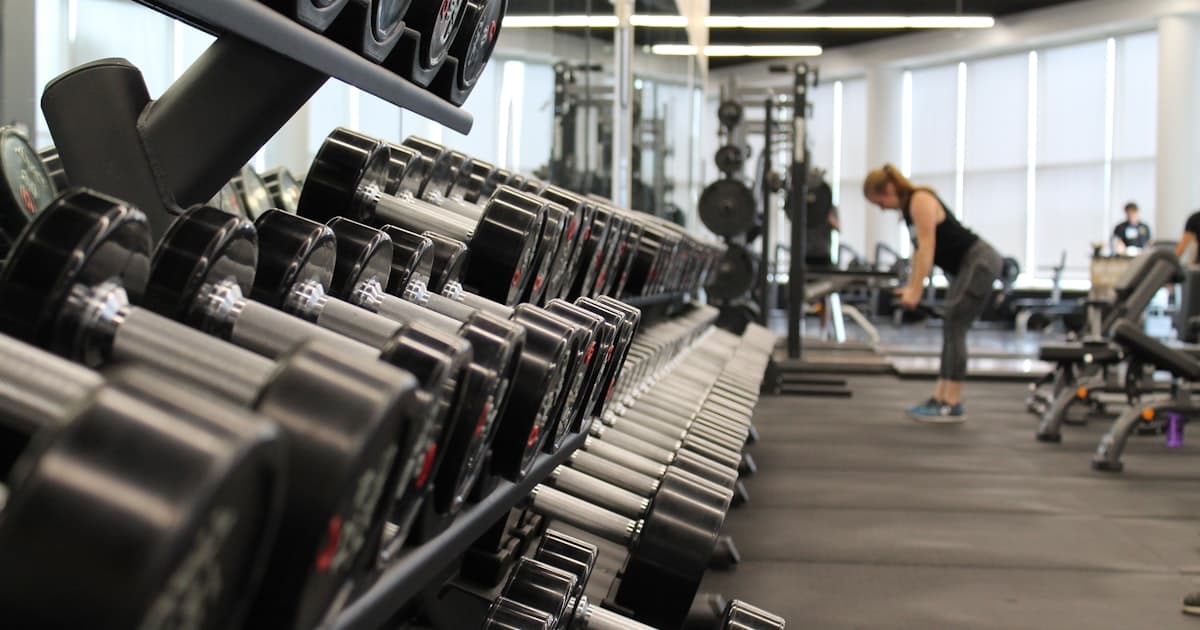
Gyms collect an unusual amount of behavioural data as a by-product of just operating. Every swipe at the turnstile, every class booked, every session with a trainer, every renewal. Nobody set out to build a dataset; it accumulated because the door needed unlocking.
Which is why the most tempting WhatsApp message a gym can send is also the one worth thinking hardest about.
The 6am cancellation is the honest case
Start with the message that makes the channel obviously worth it.
A trainer messages at 5:40 in the morning to say she is unwell. Forty people have planned their day around a 6:30 class. Some are already in an auto.
That message is time-critical, it is about a booking each of those members made, and there is no other channel that reliably reaches a person before they leave the house. It is a utility message in the platform's terms — about a transaction the member entered into — and it can go out to those forty people as an approved template within minutes.
Everything else on a gym's list is a version of the same thing, and it is a short list:
- Class booked, class cancelled, class moved. The core.
- Membership expiring on a date. Plain, with the date and what happens next.
- Payment received, payment failed, payment due. Especially on auto-debit, where a failed mandate is a service problem the member cannot see.
- Facility closures. The pool is shut for maintenance, we close early on Holi.
If a gym built only the cancellation and the renewal, it would have most of the value and none of the arguments.
The we-miss-you message
Now the other one. A member has not swiped in for three weeks. Your system knows. Somebody suggests a message: "Missing you at the gym, Rahul! Let us get back on track."
It feels like care. Examine what it actually is.
There is no transaction behind it — no booking, no renewal event, nothing the member set up. It is a solicitation, dressed as concern, aimed at a member who is drifting toward not renewing. That makes it a marketing message in the platform's categories, needing a marketing template and marketing opt-in.
And there is a second thing wrong with it, which is not about WhatsApp at all. The attendance record it is built on was collected so the member could get through a door. Using it to decide who gets a re-engagement campaign is a different purpose from the one it was collected for. Most modern data protection regimes have something to say about that, and what exactly they require varies by jurisdiction and is worth taking advice on rather than assuming.
The renewal reminder, and the discount that changes it
Gyms discover the same trap salons do, and from the same direction.
"Your membership expires on the 14th" is a utility message about the contract the member holds. "Your membership expires on the 14th — renew this week for a discount" is a promotion. Adding the offer changes what the message is, which changes the category and the consent it needs.
Practically, that means keeping two templates rather than one clever one: the expiry notice everybody gets, and the renewal offer that goes only to members who opted in to offers. Slightly more work, considerably less argument.
What a gym must never automate
Injury and pain. "My knee hurts after squats, should I keep training?" "I felt dizzy in class." A trainer, in person, and if it sounds serious, a doctor. Not a chat reply, not a stretch suggestion, not "listen to your body". A generated answer will be plausible and calm and may be wrong in a way that costs someone a joint.
Diet and supplements. Meal plans, protein targets, what to take before a workout, anything about weight loss for a specific person. Nutrition advice is regulated differently in different places and is individual by nature. Route it to a qualified human, and if your gym does not have one, say so.
Body composition claims. Any template promising an outcome in a timeframe. It is the fitness industry's favourite sentence and the one you can least defend.
The platform, briefly
The WhatsApp Business Platform — the Cloud API — needs a Meta Business account and business verification, and templates are submitted to Meta and approved or rejected. Meta charges per conversation, by category; rates vary by country and change, so plan around the shape rather than a figure. The free WhatsApp Business app is a separate product and handles a single studio's inbound perfectly well, because the inbound — timings, trial class, fees, "aaj Zumba hai kya" — arrives as member messages and can be answered inside the twenty-four-hour window those messages open.
The channel that exists today
PostEngage answers Instagram comments and DMs, and that is the entire product. For a gym that is the acquisition half: the transformation post, the comments asking fees, the DM asking about a trial.
The clocks: a comment stays answerable for seven days, a DM thread twenty-four hours and only their own message restarts it. Templated replies are free and unlimited; a credit is spent only when the AI writes new text. Free tier is 100 credits with no card, packs from ₹499. A studio answering "fees kitni hai" three hundred times a month with a template spends nothing.
Continue with membership automation for studios, fitness coaches for the personal-training end, and churn prevention for the drifting-member problem done properly.